
Leading Foundation Repair Equipment To Reinforce Your Home’s Base
Browse high-quality foundation repair equipment that ensures a solid and secure foundation for your property.
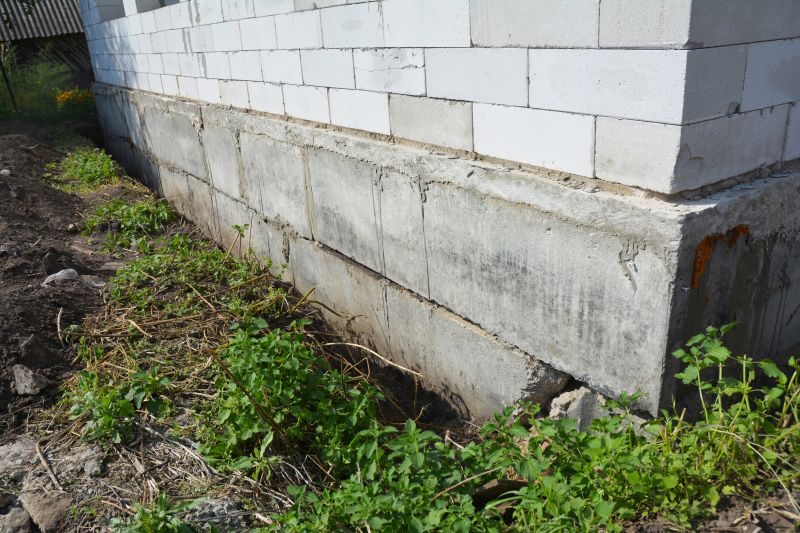 Foundation repairs are a critical aspect of maintaining the structural integrity of a building, especially in areas like Brentwood, TN where soil conditions can vary significantly. When addressing foundation issues, it is important to select the right products that can provide stability and support over time. Various repair solutions are available, ranging from simple underpinning to more advanced stabilization systems. Understanding the different types of products and their applications can help homeowners and contractors make informed decisions to ensure long-lasting results.
Top Overall Option
Hydraulic Piering System
A hydraulic piering system provides a versatile approach to foundation stabilization by lifting and supporting the structure through hydraulic jacks and piers. This method is suitable for a range of foundation types and soil conditions, offering a controlled and adjustable solution that can help restore stability. When properly installed by professionals, hydraulic piering can address issues caused by settling or shifting, helping to reinforce the foundation over time.
Types of Products For Foundation Repairs
Hydraulic Piers
Used to lift and stabilize sinking foundations by inserting and hydraulically supporting piers beneath the structure.
Mudjacking Materials
A slurry mixture used to lift and level settled concrete slabs and foundation sections.
Helical Anchors
Deeply embedded anchors that provide lateral support for shifting or bowing walls.
Carbon Fiber Reinforcement
High-strength strips used to repair and reinforce cracked or bowed foundation walls.
Polyurethane Foam Injects
Expandable foam used to fill voids and lift sunken slabs or sections of the foundation.
Steel Push Piers
Heavy-duty piers driven into stable soil to support and lift foundations experiencing settlement.
Concrete Underpinning
Additional concrete supports placed beneath the foundation to improve stability.
Soil Stabilization Products
Materials used to improve soil bearing capacity and reduce settlement issues.
Foundation Crack Sealants
Sealants designed to fill and seal cracks to prevent water infiltration and further damage.
Steel Support Beams
Structural steel beams used to reinforce and support compromised foundation walls.
Popular Choices
Widely used for their adjustable and reliable support capabilities in foundation stabilization projects.
Flexible and durable strips used to strengthen cracked or bowing basement walls.
DIY-friendly kits for filling voids and lifting slabs, suitable for minor repairs.
Materials used to improve soil stability beneath foundations, reducing settlement risk.
Epoxy compounds designed to bond and reinforce cracked concrete and masonry.
Support braces installed to prevent further bowing or collapsing of basement walls.
Jacks used to lift and level sections of the foundation during repairs.
Sealants and fillers for small cracks to prevent water infiltration and further damage.
Support piles driven into the ground to stabilize foundations affected by settlement.
Anchors used to stabilize and reinforce basement walls and prevent movement.
Foundation repair products are designed to address specific problems such as settling, cracking, or shifting. These solutions can include hydraulic piers, mudjacking materials, helical anchors, and carbon fiber reinforcement, among others. Each product type serves a different purpose and is suitable for different scenarios, depending on the severity of the issue and the foundation type. Proper installation and selection are essential to avoid further damage and to maintain the safety and value of the property.
Choosing the right foundation repair products involves considering factors such as soil conditions, the extent of damage, and the building's structure. It is also important to evaluate the longevity and compatibility of the repair materials with existing construction. Consulting with a foundation specialist can help determine the most appropriate solutions tailored to the specific needs of a property in Brentwood, TN. Investing in quality products and professional installation can contribute to the durability and stability of the foundation for years to come.
While DIY options exist, foundation repair often requires specialized knowledge and equipment. Therefore, partnering with experienced professionals and selecting proven products can enhance safety and effectiveness. Regular inspections and maintenance can also help identify early signs of foundation issues, allowing for timely intervention with suitable repair products.
Key Buying Considerations
- Assess the severity and type of foundation damage to determine the appropriate repair products.
- Understand the soil conditions and how they may influence the choice of stabilization methods.
- Select products compatible with your foundation type, whether concrete, masonry, or wood-supported.
- Consider the longevity and durability of repair materials to ensure long-term support.
- Evaluate the installation requirements and whether professional help is necessary.
- Check for products that offer adjustable or reversible features for future modifications.
- Review the safety standards and certifications associated with the repair products.
- Determine the ease of application, especially if considering DIY options.
- Factor in the cost of materials and installation to fit your budget.
- Look for products with good track records and positive user feedback.
- Consider the potential impact on property value and resale prospects.
- Ensure that the products are suitable for the local climate and environmental conditions.
- Assess the need for ongoing maintenance or inspections after repair.
- Verify that the products meet local building codes and regulations.
- Consult with a foundation specialist for personalized recommendations.